Understanding Recurrent Shoulder Dislocation: Causes, Risks.
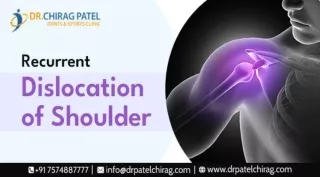
Recurrent shoulder dislocation is a condition in which the shoulder joint repeatedly slips out of its natural socket. Because the shoulder is one of the most mobile joints in the human body, it is especially prone to instability. The joint depends on muscles, ligaments, and the labrum to stay stable, and once any of these structures are damaged, repeated dislocations may occur.


Understanding Recurrent Shoulder Dislocation: Causes, Risks.
E N D
Presentation Transcript
Understanding Recurrent Shoulder Dislocation: Causes, Risks, and Modern Orthopaedic Solutions Recurrent shoulder dislocation is a condition in which the shoulder joint repeatedly slips out of its natural socket. Because the shoulder is one of the most mobile joints in the human body, it is especially prone to instability. The joint depends on muscles, ligaments, and the labrum to stay stable, and once any of these structures are damaged, repeated dislocations may occur. Many people underestimate shoulder instability. They may experience a slipping sensation, an occasional “pop,” or mild discomfort and assume it will resolve on its own. However, recurrent dislocation is not simply a minor inconvenience—it is a warning sign of underlying damage that must be addressed early to prevent long-term complications. Orthopaedic specialists, including those who are also known for treating knee arthritis and joint disorders such as the best knee replacement doctors in Ghaziabad, emphasize the importance of early diagnosis for joint-related issues. This detailed document provides insights into why shoulder dislocations recur, what symptoms suggest instability, and how modern treatment methods can restore strength, mobility, and long-term shoulder health.
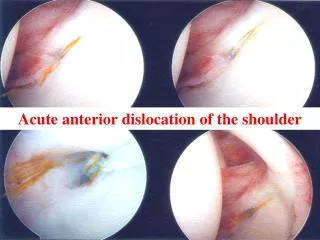
What Is a Shoulder Dislocation? The shoulder is a ball-and-socket joint where the head of the humerus (upper arm bone) fits into the glenoid (a shallow socket of the shoulder blade). Its exceptional mobility allows you to rotate your arm in almost any direction. However, this same mobility relies on a delicate balancing act between bones, muscles, and ligaments. When the humeral head slips completely out of the socket, the shoulder becomes dislocated. The initial injury is often traumatic—common in sports, falls, accidents, or sudden impact. Once the shoulder dislocates, stabilizing structures such as the labrum and ligaments may get stretched or torn, making future dislocations more likely. Why Do Shoulder Dislocations Become Recurrent? Recurrent shoulder dislocation can develop due to several underlying causes. Understanding them is essential for choosing the right treatment. 1. Damage to Stabilizing Structures After the first dislocation, the tissues stabilizing the shoulder—especially the labrum—may be torn. A damaged labrum cannot hold the humeral head firmly in the socket. 2. Naturally Loose Joints (Laxity) Some individuals naturally have more flexible or loose connective tissues. This makes their joints more prone to slipping out of place. 3. Insufficient Rehabilitation Failing to complete proper physiotherapy after the first injury can leave the muscles weak and unable to stabilize the shoulder. 4. Repetitive Movements Athletes involved in throwing, swimming, badminton, or weightlifting often place repetitive stress on their shoulders, increasing the risk of instability.
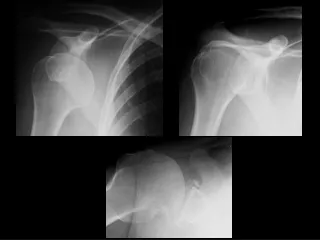
Symptoms That Indicate Shoulder Instability Symptoms may vary from person to person, but common signs of recurrent shoulder dislocation include: A sensation that the shoulder is “loose” Pain during overhead activities Recurrent slipping or popping sensations Difficulty lifting or rotating the arm Weakness or sudden discomfort during reaching motions Visible deformity during a dislocation episode Persistent or repeated symptoms should never be ignored, as early diagnosis prevents long-term joint degeneration. Importance of an Orthopaedic Evaluation Timely consultation with an orthopaedic specialist is essential to prevent worsening of the condition. Experienced specialists—including those widely consulted for joint problems, such as the best knee replacement doctors in Ghaziabad—often emphasize that early diagnosis can prevent chronic disability and improve long-term outcomes. Evaluation may include: A detailed clinical examination X-rays to assess bone alignment MRI or ultrasound to detect soft tissue tears Special instability tests to gauge joint looseness A precise diagnosis helps determine the right treatment plan.
Non-Surgical Treatment Options Many cases of recurrent shoulder dislocation can be managed without surgery, particularly when structural damage is minimal or when the instability is mild. 1. Physiotherapy and Strengthening Strengthening the rotator cuff and shoulder blade muscles restores balance and support to the joint. Physiotherapy focuses on controlled movements that build stability. 2. Activity Modification Avoiding high-risk movements, especially those involving forceful overhead motion, reduces the risk of repeat dislocations. 3. Shoulder Bracing In some situations, wearing a stabilizing brace can help limit extreme motions and provide external support. 4. Posture Correction Poor posture increases stress on the shoulder. Improving alignment helps distribute shoulder load more evenly. Minimally Invasive Surgical Treatments Surgery may be recommended if instability persists despite therapy or if the structural damage is significant. Advances in orthopaedic surgery have made treatment safer, more effective, and minimally invasive. 1. Arthroscopic Labrum Repair This procedure reattaches the torn labrum, restoring the shoulder socket’s stability. 2. Capsular Tightening Loose ligaments are tightened to reduce excessive movement in the joint. Orthopaedic surgeons—especially those who handle complex joint conditions like hip and knee replacements—are trained extensively in these minimally invasive techniques.
Rehabilitation and Long-Term Joint Protection Recovery after shoulder treatment, especially surgery, involves: Guided physiotherapy Gradual strengthening Regular mobility exercises Progressive return to activity Avoiding risky movements until clearance Maintaining long-term shoulder health requires: Continued strengthening exercises Proper technique during sports or workouts Maintaining a healthy posture Regular checkups if symptoms reappear Why You Should Not Ignore Recurrent Shoulder Dislocation Ignoring shoulder instability can lead to: Labral tears Rotator cuff injuries Chronic pain Arthritis Decreased mobility Loss of confidence in movement Orthopaedic specialists—similar to the best knee replacement doctors in Ghaziabad, who advise early intervention for knee arthritis—strongly recommend addressing shoulder issues as soon as symptoms appear. The earlier the intervention, the better the long-term outcome.
Contact Information :- Address : IIIRD/F-11, Rakesh Marg, opposite sai eye care, Nehru Nagar, Ghaziabad, Uttar Pradesh 201001 Mobile : 919728207182 Conclusion Recurrent shoulder dislocation is a treatable but potentially serious condition. With proper evaluation, personalized treatment, and expert orthopaedic care, patients can regain stability, reduce pain, and return to their daily activities with renewed confidence.