Download

1 / 6
0 likes | 4 Views
Eco-friendly geocells have revolutionized landscaping and construction by providing sustainable and efficient solutions for soil stabilization, erosion control, and structural reinforcement.

E N D
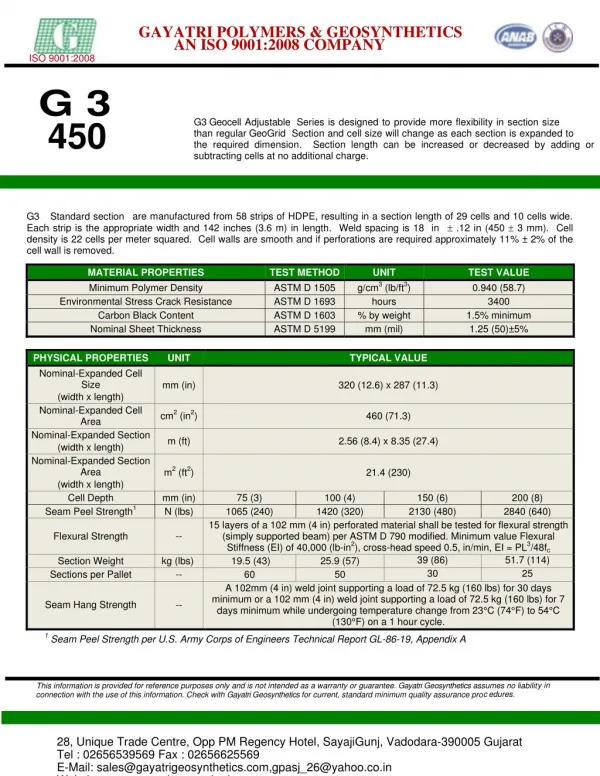
Eco-Friendly Geocell for Landscaping and Construction In the pursuit of sustainable and efficient infrastructure development, geocells have emerged as an innovative solution. These honeycomb-like structures are widely used in landscaping and construction to stabilize soil, prevent erosion, and provide structural reinforcement. With the growing emphasis on eco-friendly materials, geocells made from recycled and sustainable materials are gaining popularity. This article explores the significance of eco-friendly geocells, their applications, and the role of Geocell manufacturers India and other parts of India in driving this innovative technology. What is a Geocell? A geocell, also known as a cellular confinement system, is a three-dimensional honeycomb structure made from high-density polyethylene (HDPE) or other polymer materials. These cells are lightweight, durable, and flexible, allowing them to conform to the terrain while providing exceptional load-bearing capacity and soil stabilization. Eco-friendly geocells are manufactured using recycled materials, minimizing environmental impact while offering the same durability and efficiency as traditional geocells. Their ability to reduce soil displacement and enhance ground stability makes them indispensable in modern construction and landscaping projects. Key Features of Eco-Friendly Geocells 1. High Strength and Durability: Geocells are engineered to withstand heavy loads and challenging environmental conditions, making them ideal for construction and landscaping. 2. Lightweight and Flexible: Despite their strength, geocells are lightweight and easy to transport, handle, and install.
3. Permeability: Their design promotes water drainage, reducing waterlogging and soil erosion. 4. Eco-Friendly Materials: Made from recycled or biodegradable materials, eco-friendly geocells contribute to sustainable construction practices. 5. Versatility: Geocells can be used in a variety of applications, from road construction to slope stabilization and erosion control. Applications of Geocells in Landscaping and Construction Eco-friendly geocells have transformed the way landscaping and construction projects are approached. Here are some of their most common applications: 1. Soil Stabilization: Geocells are used to stabilize loose or weak soils, creating a solid foundation for roads, pavements, and building structures. Their confinement system prevents soil displacement, even under heavy loads. 2. Erosion Control: By confining soil and vegetation within their cells, geocells effectively reduce surface erosion on slopes, embankments, and riverbanks. 3. Retaining Walls: Geocells are used to construct eco-friendly retaining walls, providing stability and preventing landslides. 4. Green Roofing: In urban landscaping, geocells are used in green roofing systems to support vegetation and manage water drainage. 5. Parking Lots and Driveways: They distribute load evenly, preventing the formation of ruts and potholes while reducing maintenance costs. 6. Channel Protection: Geocells provide reinforcement for drainage channels, protecting them from erosion and structural damage. 7. Tree Root Protection: In landscaping, geocells are used to protect tree roots while allowing natural growth and water infiltration. Benefits of Using Eco-Friendly Geocells 1. Sustainability: Manufactured from recycled materials, eco-friendly geocells help reduce waste and promote sustainable development.
2. Cost-Effectiveness: Their lightweight design reduces transportation and installation costs while enhancing long-term performance and reducing maintenance expenses. 3. Environmental Protection: By minimizing soil erosion and supporting vegetation growth, geocells contribute to ecological conservation. 4. Enhanced Load-Bearing Capacity: Geocells improve the structural integrity of weak soils, making them suitable for high-load applications. 5. Adaptability: Geocells can be tailored to fit various project requirements, making them suitable for a wide range of terrains and applications.
Role of Geocell Manufacturers in India India is witnessing rapid infrastructure development, and geocell technology is playing a crucial role in meeting sustainable construction demands. Leading geocell manufacturers in India are driving innovation by producing high-quality, eco-friendly geocells that cater to domestic and international markets. Why Choose Indian Geocell Manufacturers? 1. Advanced Manufacturing Techniques: Indian manufacturers utilize state-of-the-art technology to produce durable and efficient geocells that meet global standards. 2. Cost-Effective Solutions: Competitive pricing without compromising quality makes Indian geocells an attractive option for projects worldwide. 3. Customization: Many manufacturers offer customized solutions tailored to specific project requirements, ensuring optimal performance. 4. Sustainability Practices: Indian geocell manufacturers prioritize eco-friendly production methods, aligning with global sustainability goals. Geocell Manufacturers in Gujarat Gujarat has emerged as a hub for geocell manufacturing, with a growing number of Geo cell membrane manufacturers in Gujarat offering innovative solutions for landscaping and construction. These manufacturers are known for their expertise, quality products, and commitment to sustainability. Why Choose Gujarat for Geocell Solutions? 1. Strategic Location: Gujarat’s robust industrial infrastructure and connectivity facilitate the timely delivery of geocell products. 2. Skilled Workforce: The state’s skilled workforce and technological expertise ensure high-quality production. 3. Diverse Product Range: Manufacturers in Gujarat offer a wide variety of geocells suitable for different applications and terrains.
Geocell Manufacturers Ahmedabad, a key industrial hub in Gujarat, is home to some of the leading Geocell manufacturers in Ahmedabad. These manufacturers cater to a wide range of industries, providing reliable and eco-friendly geocell solutions for various projects. Advantages of Sourcing from Ahmedabad-Based Manufacturers: 1. Innovation and Quality: Ahmedabad’s manufacturers are at the forefront of innovation, producing geocells that combine durability, flexibility, and sustainability. 2. Timely Delivery: The city’s strategic location ensures efficient supply chain management and on-time delivery of products. 3. Comprehensive Solutions: From standard geocells to customized designs, Ahmedabad’s manufacturers offer comprehensive solutions for diverse project needs. Conclusion Eco-friendly geocells have revolutionized landscaping and construction by providing sustainable and efficient solutions for soil stabilization, erosion control, and structural reinforcement. With a focus on durability, flexibility, and environmental conservation, geocells have become an essential component of modern infrastructure projects. By sourcing from reputed geo cell membrane manufacturers in Gujarat, businesses can access high-quality, innovative, and eco-friendly geocells tailored to their specific requirements. With Gujarat and Ahmedabad emerging as hubs for geocell production, the future of sustainable construction in India looks promising.
Frequently Asked Questions (FAQs) 1. What are the primary materials used in eco-friendly geocells? Eco-friendly geocells are typically made from recycled high-density polyethylene (HDPE) or other sustainable polymer materials, ensuring durability and minimal environmental impact. 2. How do geocells contribute to erosion control? Geocells confine soil within their cellular structure, preventing displacement and reducing surface runoff. This stabilizes slopes, embankments, and riverbanks, effectively controlling erosion. 3. What factors should I consider when choosing a geocell manufacturer? Look for manufacturers with a proven track record, advanced production facilities, and the ability to provide customized solutions. Certifications and adherence to quality and sustainability standards are also important considerations.