Download

1 / 6
0 likes | 0 Views
Explore how blockchain technology can enhance brand trust and transparency. Learn how immutable records and secure transactions strengthen customer confidence and accountability.

E N D
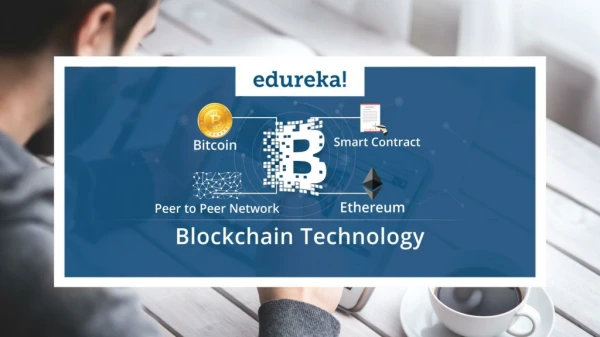
ntroduction: The Era of Trust in Branding In an age of information overload and increasing skepticism, trust has become one of the most valuable assets for brands. Consumers demand transparency, authenticity, and accountability from the companies they engage with. Traditional methods of building trust—certifications, audits, and marketing claims—are often insufficient to convince discerning audiences. Enter blockchain technology, a decentralized, immutable ledger that enables verifiable transparency and accountability across industries. By leveraging blockchain, brands can demonstrate honesty, traceability, and ethical practices, creating a competitive advantage in a crowded market. For more insights on leveraging technology to enhance brand trust, visit https://digitalterrene.online/. Understanding Blockchain in the Context of Branding Blockchain is essentially a distributed ledger technology that records transactions in a secure, transparent, and tamper-proof manner. Each “block” contains a record of transactions, which is cryptographically linked to the previous block, creating an immutable chain. Key features relevant to brands include: ● Transparency: Every transaction or action is visible and verifiable by stakeholders. ● Security: Data is encrypted and distributed across a decentralized network, reducing the risk of tampering. ● Traceability: Products, services, and supply chains can be tracked end-to-end. ● Smart Contracts: Automated agreements enforce compliance without intermediaries. By integrating blockchain, brands can prove authenticity, track provenance, and provide verifiable information to consumers. Why Blockchain Matters for Brand Trust
1. Authenticity Verification ● Blockchain enables brands to certify the authenticity of products, such as luxury goods, pharmaceuticals, or electronics. ● Counterfeit products can be identified, and consumers can verify authenticity through the blockchain. 2. Supply Chain Transparency ● Brands can track every step of production, shipping, and delivery. ● Ethical sourcing, fair labor practices, and sustainability efforts become verifiable to the public. 3. Consumer Engagement and Loyalty ● Blockchain-based loyalty programs provide transparent reward systems. ● Customers can verify point accumulation, redemptions, and program fairness. 4. Regulatory Compliance ● Blockchain records ensure adherence to regulations, audits, and certifications. ● Reduces disputes, errors, and fraud while increasing accountability. 5. Enhanced Brand Reputation ● Transparent operations foster trust, credibility, and loyalty. ● Brands that demonstrate honesty differentiate themselves in competitive markets. Applications of Blockchain in Brand Trust 1. Luxury and Fashion
● Blockchain tracks product provenance from raw materials to retail, ensuring authenticity. ● Brands like LVMH and Prada use blockchain to combat counterfeiting and enhance customer confidence. 2. Food and Beverage ● Consumers increasingly demand proof of ethical sourcing, organic certification, and freshness. ● Blockchain allows full traceability from farm to table, ensuring transparency. 3. Pharmaceuticals and Healthcare ● Blockchain prevents counterfeit drugs and ensures safe, compliant supply chains. ● Patients and providers can verify the source and integrity of medicines. 4. Sustainability and Ethical Sourcing ● Brands can demonstrate carbon footprint reduction, fair labor practices, and responsible sourcing. ● Blockchain provides immutable records for sustainability claims, enhancing credibility. 5. Loyalty and Rewards Programs ● Transparent blockchain-based programs prevent fraud and double-spending of points. ● Improves user trust and increases engagement with loyalty platforms. Benefits of Blockchain for Brands 1. Immutable Proof: Records cannot be altered, creating verifiable credibility. 2. Consumer Confidence: Transparency fosters trust and long-term loyalty.
3. Operational Efficiency: Streamlines audits, compliance, and supply chain verification. 4. Competitive Advantage: Brands leveraging blockchain differentiate themselves through transparency. 5. Data Security: Decentralized systems reduce the risk of data breaches and tampering. Challenges in Implementing Blockchain ● Technical Complexity: Integration with existing systems can be complex. ● Cost of Implementation: Blockchain deployment and maintenance may require significant investment. ● Scalability Issues: High transaction volumes can strain certain blockchain networks. ● Regulatory Uncertainty: Varying global regulations on blockchain usage may pose compliance challenges. ● Consumer Awareness: Educating users on verifying blockchain records is essential for adoption. Despite these challenges, the benefits in trust, transparency, and brand differentiation outweigh the hurdles. Case Studies: Brands Using Blockchain for Trust 1. LVMH ● Uses blockchain to track luxury goods like handbags and perfumes. ● Customers can verify authenticity and product history, reducing counterfeit risk. 2. Starbucks
● Blockchain-enabled supply chain transparency allows customers to trace coffee beans from farm to cup. ● Enhances trust in ethical sourcing and sustainable practices. 3. IBM Food Trust ● Partnered with Walmart and other retailers to track food products’ origins. ● Blockchain ensures safety, traceability, and quality assurance. 4. De Beers ● Tracks diamonds to verify ethical sourcing and conflict-free status. ● Provides consumers with proof of authenticity and responsible practices. These examples demonstrate how blockchain strengthens brand credibility, customer loyalty, and operational transparency. Best Practices for Blockchain-Enabled Brand Transparency 1. Start with High-Impact Use Cases: Focus on areas like supply chain traceability, authenticity verification, or loyalty programs. 2. Collaborate with Trusted Partners: Partner with reliable blockchain providers and industry consortia. 3. Educate Consumers: Provide clear instructions on how to verify blockchain-backed information. 4. Ensure Data Accuracy: Blockchain is only as reliable as the input data—ensure data integrity at every step. 5. Integrate Smart Contracts: Automate compliance, rewards, and other agreements to enhance trust and efficiency.
Future Trends in Blockchain for Brand Trust ● Consumer-Verified Sustainability Claims: Immutable proof of eco-friendly practices will influence purchasing decisions. ● Tokenized Brand Loyalty: Blockchain-based tokens for loyalty and rewards will become standard. ● Decentralized Identity Verification: Consumers control personal data while brands verify identity and authenticity. ● Cross-Brand Collaborations: Shared blockchain networks for industry-wide transparency initiatives. ● AI-Blockchain Integration: AI-powered insights on blockchain data enhance predictive and operational capabilities. The future positions blockchain as a critical tool for credibility, engagement, and trust in brand ecosystems. Conclusion: Building Trust in a Transparent World Blockchain technology empowers brands to prove authenticity, demonstrate transparency, and build trust in ways previously impossible. From supply chains to loyalty programs, ethical sourcing to product verification, blockchain ensures that every action is verifiable, secure, and credible. Brands that adopt blockchain not only enhance customer confidence but also differentiate themselves in competitive markets. Trust, once a soft asset, becomes measurable, immutable, and actionable through blockchain. For more insights on blockchain, digital trust, and brand innovation, visit https://digitalterrene.online/.