fraud risk mitigation
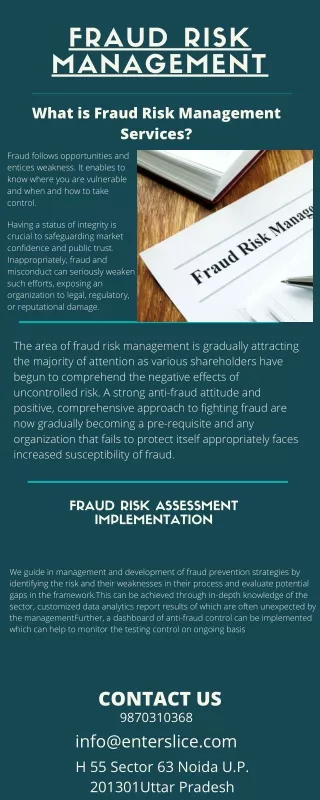
This explores effective fraud risk mitigation strategies for the insurance industry, focusing on key components like risk assessment, data monitoring, and employee training. It emphasizes the importance of using technology, such as AI and machine learning, to prevent fraud, ensure data protection, and maintain customer trust. For more details, you can read the full post here.


fraud risk mitigation
E N D
Presentation Transcript
Strategies for Fraud Risk Mitigation to Safeguard Your Insurance Business: Insurance fraud is a growing threat that costs the sector billions of dollars every year. Fraudsters constantly come up with new ways to manipulate the system, whether it's through fabricated identities, fabricated collisions, or false claims. For insurers, it's never just about losing money; they also have to protect their brand and maintain client trust. The risk of fraud has increased as a result of business digitization. Strong fraud risk mitigation techniques are therefore now required rather than optional. We'll look at doable and efficient strategies in this blog for insurance companies to combat fraud and safeguard their operations. What are Fraud Risks and Why Is It Important to Mitigate Them? Insurance fraud risks include deceptive practices like fabricated claims, inflated losses, and premeditated accidents that pose a threat to operations and finances. Falsifying information on application forms, arranging fictitious injury claims, or underreporting risks in order to obtain reduced premiums are typical examples of this. Additionally, they demand immediate action to safeguard policyholders and companies from this evil. Because it safeguards a company's financial foundation and builds stakeholder and customer trust, preventing fraud requires your immediate attention as a Chief Risk Officer or other professional in the insurance industry. Fraud is possible.