Orthopedic surgeon instruments
0 likes | 5 Views
Explore the world of orthopedic precision at Grey-Medical, your trusted partner for high-quality Orthopedic Instruments Sets. We understand the pivotal role precision instruments play in orthopedic surgery, and our commitment to excellence shines in our carefully curated collection.


Orthopedic surgeon instruments
E N D
Presentation Transcript
Understanding the Essential Instruments Used by Orthopedic Surgeons Orthopedic surgery is a highly specialized branch of medicine focused on diagnosing and treating conditions related to the musculoskeletal system. This includes bones, joints, ligaments, tendons, and muscles. To perform these intricate procedures, orthopedic surgeons rely on a range of instruments designed for precision, efficiency, and patient safety. These tools are not only vital for ensuring successful outcomes but also play a key role in the surgeon's ability to address various orthopedic conditions effectively.
Instruments for Bone Fixation One of the primary goals of orthopedic surgery is to repair or stabilize broken bones. For this purpose, surgeons use instruments such as bone drills, screws, and plates. Bone drills are essential for creating holes in fractured bones to secure screws or pins, which hold the bone fragments in place. Screws and plates, often made of titanium or stainless steel, provide structural support, allowing the bone to heal properly. Intramedullary nails are another commonly used instrument for stabilizing long bone fractures. These are inserted into the hollow center of the bone to maintain alignment during the healing process. These tools are indispensable in treating complex fractures, ensuring that the patient can regain mobility and function in the affected limb. Tools for Joint Surgery Joint replacement surgeries, such as hip or knee replacements, require a distinct set of instruments. Orthopedic surgeons use reamers to prepare the joint surfaces, ensuring the artificial implants fit securely. Similarly, bone rasps are utilized to shape and smooth the bone for better implant attachment. Specialized tools like acetabular reamers are specifically designed for preparing the hip socket during a total hip replacement. Meanwhile, trial implants allow surgeons to test the fit and alignment of the prosthetic components before the final placement. These instruments are critical in achieving accurate results, which are essential for restoring joint function and reducing post-operative complications. Instruments for Arthroscopy Minimally invasive techniques, such as arthroscopy, have revolutionized orthopedic surgery. This approach involves using a small camera, or arthroscope, to visualize and treat joint problems through tiny incisions. Instruments used in arthroscopy include shavers, graspers, and probes. Graspers allow surgeons to hold and manipulate tissues within the joint, while probes are used to assess the damage and test the stability of ligaments. Shavers help remove damaged tissue or bone spurs, providing a clearer view of the surgical site. The precision of these instruments ensures minimal disruption to surrounding tissues, leading to faster recovery and less scarring for patients. Cutting and Suture Instruments Orthopedic procedures often involve cutting through bones and tissues to access the affected areas. Instruments like osteotomes, chisels, and saws are used to cut or reshape bone. For soft
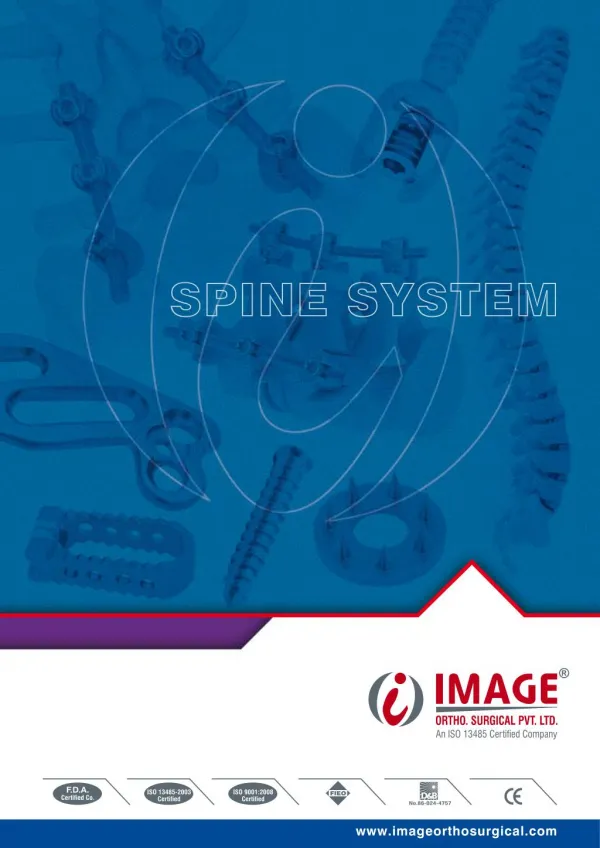
tissue repair, scissors, needle holders, and specialized sutures are employed to stitch torn ligaments or tendons back together. Needle holders are particularly crucial in ensuring the sutures are placed accurately and securely. This precision is essential for successful tendon and ligament repair, which is critical for restoring strength and mobility to the affected area. Specialty Instruments for Spine Surgery Spine surgery presents unique challenges, requiring a specialized set of instruments. Retractors are used to hold back tissues, providing a clear view of the spinal column. Pedicle screws and rods are employed to stabilize the spine, while curettes and rongeurs are used to remove bone or soft tissue. These tools allow surgeons to address conditions such as herniated discs, spinal stenosis, and scoliosis with precision and care. Conclusion The instruments used by orthopedic surgeons are essential for performing precise and effective procedures, from fracture repairs to joint replacements and minimally invasive arthroscopies. Each tool is designed with a specific purpose, ensuring that surgeons can address a wide range of musculoskeletal issues with accuracy and efficiency. By utilizing these advanced instruments, orthopedic surgeons can improve patient outcomes, helping individuals regain mobility, reduce pain, and restore their quality of life.