Introduction
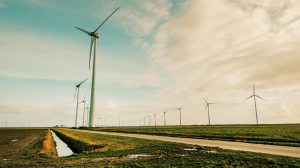
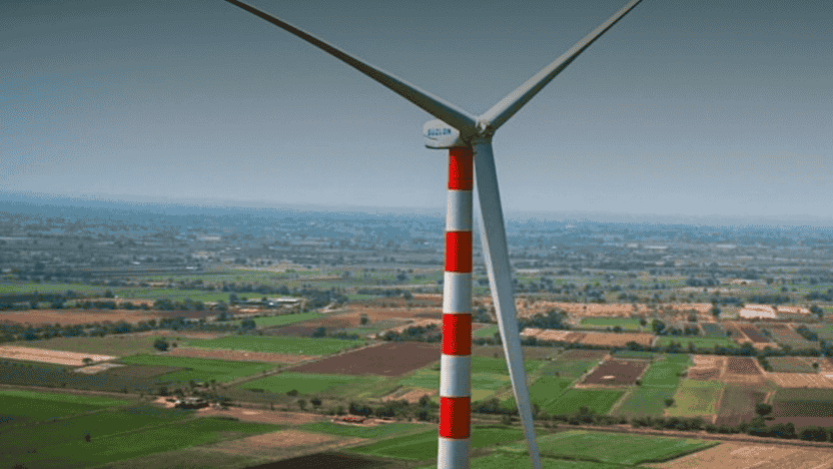
In Chitradurga, Gadag and Davangere the skyline has changed. Steel towers rise above the fields. Turbine blades turn slowly against the sky. Public utilities still own some projects but more and more are run by Independent Power Producers.
Karnataka’s wind potential has been known for years. Good wind corridors. Supportive policies at times. A growing demand for clean power. Yet without capital and the will to manage long-term risk, progress was slow. IPPs have changed that.
Why IPPs Took the Driver’s Seat
State utilities are careful. They avoid moves that might risk grid stability. This can delay projects. Independent Power Producers are not tied to the same limits. They raise their own funds. They choose their sites. They sign power purchase agreements with the state or private buyers through open access. This lets them move from studies to commissioning much faster. IPPs work for profit. That drive pushes projects forward. It has helped expand Wind Power Projects in Karnataka faster than public investment alone.
Karnataka’s Wind Advantage and the Grit Behind It
The state has over 4,800 MW of installed wind capacity. Wind maps look good. Feed-in tariffs have been attractive in the past. The process is still tough. Building Wind Power Projects in Karnataka is not as simple as installing turbines. Land acquisition can take years. Multiple agencies may be involved. Transmission delays are common. Some wind farms sit idle waiting for substations. Experienced IPPs know how to navigate these problems. Some build their own transmission lines. Others work with local landowners instead of fighting them. Projects run by capable IPPs avoid the long stalls common in less prepared ventures.
Not Just Megawatts Market Shifts
A shift has taken place in who these projects supply. Wind farms once sold almost entirely to the state grid under long-term PPAs. Now open access and renewable purchase rules let IPPs sell directly to commercial and industrial buyers. A textile mill in Tumkur or an IT park in Bengaluru can buy power from an IPP at competitive rates. Sometimes this is cheaper than grid power. Many IPPs now design projects specifically for such customers.
Policy Tailwinds and Headwinds
The state government has supported wind development. It has mapped wind zones and eased approvals. In some years it offered good feed-in tariffs. But there have been setbacks. Delays in PPAs. Tariff changes after signing. New rules for energy banking. Good IPPs expect these risks. They spread projects across states. They build flexibility into contracts. They avoid relying too much on one policy.
Technology and Scale
IPPs have helped bring new turbine technology to Karnataka. Some developers still use smaller, older models for quick returns. Well-funded IPPs invest in larger 3 MW turbines with higher hub heights suited to local wind patterns. Taller towers reach stronger winds. Bigger rotors capture more energy. These changes have improved capacity factors in new IPP projects.
Community Impact A Mixed Picture
Wind farms create jobs during construction. They pay land leases. Some fund local schools or health projects. But not all effects are positive. There have been disputes over land use and environmental impacts. Some sites cause noise or shadow flicker problems. The best Independent Power Producers address these early. They keep communication open after the project is complete. Others give it little attention and lose local trust.
The Road Ahead
The state plans more renewable capacity in the coming years. Wind will remain important. Hybrid projects combining wind, solar and storage are gaining ground. IPPs are testing these in Karnataka. Grid stability and round-the-clock supply will become more valuable. Large-scale storage will be a key advantage. IPPs that can make it economical will lead the market. Wind power in Karnataka is a business with high costs and real risks. Independent Power Producers take those risks because the rewards are worth it. Their work has put more turbines in the state’s best wind corridors. Clean energy here is no longer dependent only on subsidies. It is competing on its own terms.