Download

1 / 12
0 likes | 3 Views
Plastic chairs can be found anywhere in the home, office, restaurant, or outdoor setting. They are favorite pieces of furniture because they are affordable, light, and quite durable. Of late, rising environmental concerns mean that recycling plastic chairs has also become a highly relevant issue. Millions of plastic chairs are sent to landfills every year; effective recycling means less plastic and more sustainability. This blog seeks to focus on the significance of recycling plastic chairs, the recycling process, challenges, benefits, and consumers' roles in promoting sustainable practices.<br>

E N D
Recycling of Plastic Chairs Plastic chairs can be found anywhere in the home, office, restaurant, or outdoor setting. They are favorite pieces of furniture because they are affordable, light, and quite durable. Of late, rising environmental concerns mean that recycling plastic chairs has also become a highly relevant issue. Millions of plastic chairs are sent to landfills every year; effective recycling means less plastic and more sustainability. This blog seeks to focus on the significance of recycling plastic chairs, the recycling process, challenges, benefits, and consumers' roles in promoting sustainable practices.
The Need for Recycling Plastic Chairs Plastic is a significant pollutant of the environment. Plastic chairs, when thrown carelessly, add more pollution to the lands and seas, thereby affecting both ecosystems and animals. Recycling plastic chairs contributes to: It prevents chairs from piling up in landfills, which take centuries to decompose. It saves energy and resources. Recycling requires less energy than the production of new plastic from raw materials. Lower carbon footprint. The recycling process has fewer greenhouse gases emissions compared to manufacturing new plastic products. Promotion of circular economy. Recycling plastic chairs enables materials to be reused rather than virgin plastic production.
Types of Plastics Used in Chairs and Their Recyclability Knowing the type of plastic used in chairs is very important for effective recycling. Some of the common plastics used in chair manufacturing include: 1. Polypropylene (PP) It is commonly used in plastic chairs because of its strength and flexibility. It is easily recyclable and is used in making new furniture, storage containers, and packaging materials.
2. Polyethylene (PE) It is found in both high-density polyethylene (HDPE) and low-density polyethylene (LDPE) forms. Recyclable into new furniture, pipes, and outdoor products. 3. Acrylonitrile Butadiene Styrene (ABS) A high-end chair using a tough, impact-resistant plastic. Recycled into automotive parts, toys, and electronic casings.
4. Polyvinyl Chloride (PVC) Sometimes in foldable chairs. Less recyclable due to harmful additives, but can be repurposed for construction materials. 5. Polycarbonate (PC) Translucent, strong plastic material. Can be recycled into eyewear lenses, CDs, and construction materials.
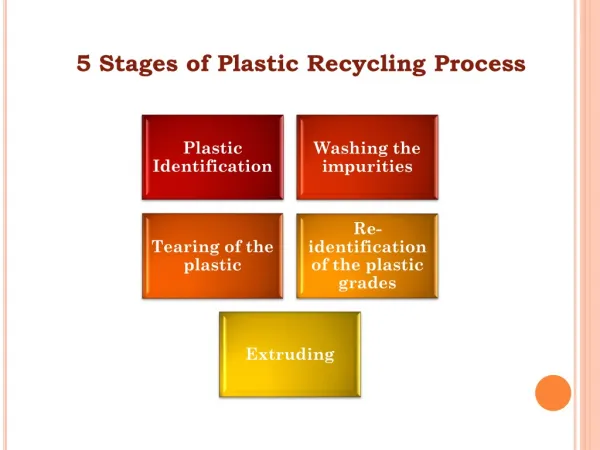
The Plastic Chair Recycling Process 3. Melting and Reprocessing Pellets are created by melting and reprocessing the shreds of plastic. These pellets are raw materials for manufacturing new products. 4. Manufacturing New Products Recycled plastic is used to create new furniture, plastic components, and even textiles. Some manufacturers blend recycled plastics with virgin plastics for enhanced durability. Recycling plastic chairs is a multistep process that ensures material recovery and recycling are efficient. 1. Collection and Sorting Plastic chairs are collected from households, offices, recycling centers, and waste disposal sites. They are sorted according to the type of plastic to ensure proper recycling. 2. Cleaning and Shredding Chairs are cleaned with thoroughness in order to remove dirt, paint, and other contaminants. Then they are shredded into smaller pieces to facilitate the processing process.
Challenges in Recycling Plastic Chairs Despite its benefits, recycling plastic chairs faces several challenges: 1. Plastic Contamination Mixed plastics and non-recyclable additives make the recycling process difficult. 2. Cost of Sorting and Processing Sizeable investment is necessary in infrastructure to ensure proper sorting and processing. 3. Lack of Consumer Awareness Many consumers are not well informed on recycling options and may throw plastic chairs in the trash inappropriately. 4. Degradation in Quality Recycled plastic may lose its strength and requires strengthening with virgin plastic.
Advantages of Recycling Plastic Chairs Recycling plastic chairs has numerous environmental, economic, and social advantages: Environmental Benefits: Landfill waste is reduced and natural resources are preserved. Economic Advantages: Provides employment in the recycling sector and reduces the cost of raw materials. Energy Efficiency: Conserves energy as compared to manufacturing new plastic furniture. Waste Minimization: Reduces the requirement for burning plastic, which may lead to the emission of harmful gases.
How Consumers Can Contribute to Recycling Consumers are also very important in ensuring that plastic chairs are recycled responsibly. Here is how one can contribute: 1. Proper Disposal Do not dispose plastic chairs in the general trash but instead deposit them in recycling centers. 2. Reuse and Upcycle Plastic chairs can be refurbished and transformed into other home furniture pieces, planters, or outdoor furniture. 3. Purchase Reclaimed Furniture Encourage companies that recycle plastics when manufacturing their furniture. 4. Raise Awareness Share with others how saving plastic chairs promotes responsible way living.
New Technologies for Plastic Chair Recycling With the advancement in technology, plastic chairs recycling becomes more efficient. Some of these innovations include: Chemical Recycling: Breaking plastic at the molecular level to form new materials. 3D Printing with Recycled Plastics: Using plastic waste to create customized furniture. Biodegradable Plastics: Making chairs from compostable materials, thereby reducing the amount of waste.
Conclusion Recycling plastic chairs is vital for reducing plastic waste, conserving resources, and promoting sustainability. While there are problems, there are also advances in recycling technology and consumer consciousness that can easily boost the plastic chair recycling rates. Individuals can contribute to a greener earth by participating in recycling programs, repurposing old chairs, and supporting sustainable brands. Future improvements in infrastructure, government policies, and creating a circular economy will help effectively minimize plastic waste and repurpose it.