1 / 6
0 likes | 0 Views
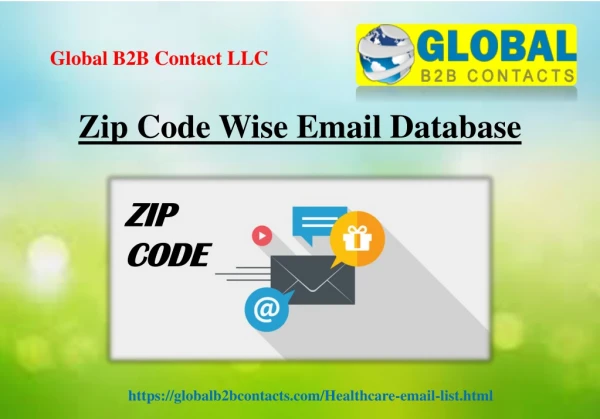
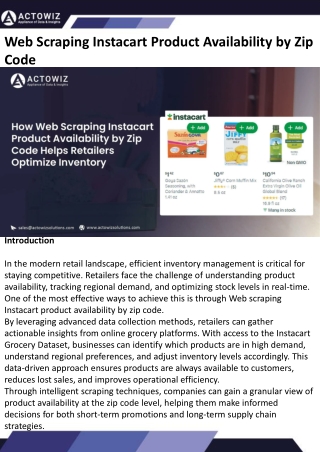
Learn how Web Scraping Instacart Product Availability by Zip Code helps retailers track stock, optimize inventory, and improve delivery efficiency.

E N D
Web Scraping Instacart Product Availability by Zip Code Extracting Information from TripAdvisor: A Guide to Scraping Data from Hotels and Restaurants How to Effectively Use Competitor Price Trackers: Operational Guidance and Benefits How to Use Zomato API to Scrape Restaurant Data – A Detailed Guide What are Datasets? - A Comprehensive Guide Introduction In the modern retail landscape, efficient inventory management is critical for staying competitive. Retailers face the challenge of understanding product availability, tracking regional demand, and optimizing stock levels in real-time. One of the most effective ways to achieve this is through Web scraping Instacart product availability by zip code. By leveraging advanced data collection methods, retailers can gather actionable insights from online grocery platforms. With access to the Instacart Grocery Dataset, businesses can identify which products are in high demand, understand regional preferences, and adjust inventory levels accordingly. This data-driven approach ensures products are always available to customers, reduces lost sales, and improves operational efficiency. Through intelligent scraping techniques, companies can gain a granular view of product availability at the zip code level, helping them make informed decisions for both short-term promotions and long-term supply chain strategies. Introduction Introduction This blog will provide a comprehensive overview of datasets, including their definition, different types of datasets, and strategies for maximizing the value of data. Leveraging the appropriate API makes scraping TripAdvisor on a large scale a straightforward task. You don't need to possess advanced computer skills to achieve this. Our comprehensive, step-by-step guide is designed to walk you through extracting data from TripAdvisor using a user-friendly web scraping tool. In the dynamic landscape of eCommerce, pricing strategy stands paramount, especially for digital storefronts. Modern consumers are discerning, often prioritizing price comparison as a pivotal step before purchasing. The allure of securing the best deals and most competitive prices drives this behavior. Consequently, a significant portion of online shoppers actively engage in price monitoring across various platforms. Recognizing this trend, online retailers must adeptly employ competitor price trackers to stay ahead. What is a Dataset? Introduction In the dynamic world of digital gastronomy, where culinary delights and dining experiences are increasingly explored and celebrated online, the demand for up-to-date restaurant data is insatiable. As food enthusiasts and businesses seek the latest insights into menus, reviews, and more, the Zomato API emerges as a powerful tool for scraping this invaluable information. TripAdvisor stands out as a powerhouse with an extensive database comprising over 8 million locations, 1 billion reviews, and support for 29 languages. As of 2022, when the cumulative reviews surpassed the one billion mark, it became evident that TripAdvisor's meticulous gaze would soon cover every restaurant, hotel, vacation rental, or attraction listing. By leveraging retail data scraping techniques, businesses can collect comprehensive retail data, offering insights into the broader market's pricing landscape. Such price intelligence empowers retailers to craft a robust pricing strategy, bolstering sales, enhancing profit margins, and fostering customer loyalty. Moreover, a data-driven eCommerce pricing approach ensures competitiveness, with dynamic pricing becoming increasingly prevalent. Unlocking the Potential: The Advantages of Scraping TripAdvisor Data Our comprehensive guide delves into the intricate art of utilizing the Zomato API to scrape restaurant data. Whether you're a restaurateur striving to understand your competitors, a food blogger searching for fresh content, or a data enthusiast eager to explore culinary trends, this guide will serve as your compass in the world of data extraction. In essence, utilizing a competent competitor price tracker facilitates effective pricing optimization and solidifies a retailer's position in the fiercely competitive eCommerce arena. Amidst TripAdvisor's vast sea of information lies a treasure trove awaiting extraction, analysis, and innovative presentation. For those in the tourism, hospitality, or travel sectors, harnessing TripAdvisor data proves invaluable for monitoring competitors and supporting strategic business decisions. The TripAdvisor Scraper facilitates seamless and rapid web scraping, offering the most straightforward route to consistently obtaining data at scale. This article delves into the myriad benefits of scraping TripAdvisor, shedding light on how this process can be initiated, including exploring the initial steps involving API utilization. Dive into the realm of data-driven insights with TripAdvisor scraping. We will navigate through the intricacies of Zomato Scraper, uncovering its capabilities to provide you with rich, real-time restaurant data. From scraping restaurant details to accessing customer reviews, our detailed guide ensures that you harness the full potential of this resource.
Understanding Regional Demand Patterns Retailers often struggle to identify variations in product demand across different regions. Using Scraping Instacart store availability Data with tools like Instacart Scraping API, businesses can monitor stock levels in real-time. Between 2020 and 2026, data from major U.S. cities shows an average annual increase of 7% in demand for organic and specialty grocery items. In New York, popular items like almond milk and gluten-free products saw 15–18% higher demand than the national average. Meanwhile, in Los Angeles, plant-based snacks experienced a 12% YoY growth. Extracting Information from TripAdvisor: A Guide to Scraping Data from Hotels and Restaurants How to Effectively Use Competitor Price Trackers: Operational Guidance and Benefits How to Use Zomato API to Scrape Restaurant Data – A Detailed Guide What are Datasets? - A Comprehensive Guide Introduction Introduction This information allows retailers to anticipate demand, avoid stockouts, and enhance customer satisfaction. Optimizing Inventory Across Zip Codes Managing inventory at a granular level is essential for efficiency. By utilizing Zip-Code-Level Instacart Data Scraper, retailers can understand which products are available in specific areas, enabling precise stock allocation. For example, a chain may find that oat milk is consistently out of stock in Chicago’s 60601 zip code but overstocked in 60615. Adjusting orders based on such insights can reduce wastage and prevent lost sales. Companies implementing zip-code-level analysis report a 12–15% improvement in inventory turnover between 2020–2026. Furthermore, granular data supports regional promotions, targeted marketing, and better supply chain coordination. Retailers can use historical data trends to forecast demand during peak seasons, ensuring that high-demand items remain consistently available. This blog will provide a comprehensive overview of datasets, including their definition, different types of datasets, and strategies for maximizing the value of data. Leveraging the appropriate API makes scraping TripAdvisor on a large scale a straightforward task. You don't need to possess advanced computer skills to achieve this. Our comprehensive, step-by-step guide is designed to walk you through extracting data from TripAdvisor using a user-friendly web scraping tool. In the dynamic landscape of eCommerce, pricing strategy stands paramount, especially for digital storefronts. Modern consumers are discerning, often prioritizing price comparison as a pivotal step before purchasing. The allure of securing the best deals and most competitive prices drives this behavior. Consequently, a significant portion of online shoppers actively engage in price monitoring across various platforms. Recognizing this trend, online retailers must adeptly employ competitor price trackers to stay ahead. What is a Dataset? Introduction In the dynamic world of digital gastronomy, where culinary delights and dining experiences are increasingly explored and celebrated online, the demand for up-to-date restaurant data is insatiable. As food enthusiasts and businesses seek the latest insights into menus, reviews, and more, the Zomato API emerges as a powerful tool for scraping this invaluable information. TripAdvisor stands out as a powerhouse with an extensive database comprising over 8 million locations, 1 billion reviews, and support for 29 languages. As of 2022, when the cumulative reviews surpassed the one billion mark, it became evident that TripAdvisor's meticulous gaze would soon cover every restaurant, hotel, vacation rental, or attraction listing. By leveraging retail data scraping techniques, businesses can collect comprehensive retail data, offering insights into the broader market's pricing landscape. Such price intelligence empowers retailers to craft a robust pricing strategy, bolstering sales, enhancing profit margins, and fostering customer loyalty. Moreover, a data-driven eCommerce pricing approach ensures competitiveness, with dynamic pricing becoming increasingly prevalent. Unlocking the Potential: The Advantages of Scraping TripAdvisor Data Our comprehensive guide delves into the intricate art of utilizing the Zomato API to scrape restaurant data. Whether you're a restaurateur striving to understand your competitors, a food blogger searching for fresh content, or a data enthusiast eager to explore culinary trends, this guide will serve as your compass in the world of data extraction. In essence, utilizing a competent competitor price tracker facilitates effective pricing optimization and solidifies a retailer's position in the fiercely competitive eCommerce arena. Amidst TripAdvisor's vast sea of information lies a treasure trove awaiting extraction, analysis, and innovative presentation. For those in the tourism, hospitality, or travel sectors, harnessing TripAdvisor data proves invaluable for monitoring competitors and supporting strategic business decisions. The TripAdvisor Scraper facilitates seamless and rapid web scraping, offering the most straightforward route to consistently obtaining data at scale. This article delves into the myriad benefits of scraping TripAdvisor, shedding light on how this process can be initiated, including exploring the initial steps involving API utilization. Dive into the realm of data-driven insights with TripAdvisor scraping. We will navigate through the intricacies of Zomato Scraper, uncovering its capabilities to provide you with rich, real-time restaurant data. From scraping restaurant details to accessing customer reviews, our detailed guide ensures that you harness the full potential of this resource.
Pricing and Availability Insights Effective pricing requires knowledge of competitor behavior and regional market conditions. By leveraging tools to Scrape Instacart pricing and availability data by location, retailers can monitor pricing trends, promotional activities, and stock levels across multiple zip codes. Analysis from 2020–2026 indicates that dynamically adjusting prices based on location-specific availability increases revenue by an average of 8–10%. In Miami, for example, seasonal items like summer beverages may sell 20% faster in specific zip codes, allowing retailers to implement temporary price adjustments. Accurate pricing data also helps identify discrepancies across regions. A product that costs USD 4.50 in one area may be underpriced at USD 4.00 elsewhere, offering an opportunity to standardize pricing and maximize margins. Leveraging Location-Based Insights Understanding consumer behavior geographically is vital for operational success. Through Web Scraping Instacart location-based data, retailers gain a complete picture of which products are available in various areas and how stock fluctuates over time. Between 2020–2026, data analysis shows that urban zip codes experience 15% faster turnover of grocery items compared to suburban areas. Location-based insights allow retailers to adjust delivery schedules, warehouse allocation, and staffing levels to match local demand patterns. By integrating this data with other internal datasets, businesses can create predictive models to forecast product availability, reduce stockouts, and improve customer satisfaction. Benchmarking and Competitive Analysis To remain competitive, retailers must benchmark their offerings. Instacart ZIP-Wise Pricing & Availability data Scraping allows businesses to monitor competitor pricing, stock levels, and promotions in different regions. Extracting Information from TripAdvisor: A Guide to Scraping Data from Hotels and Restaurants How to Effectively Use Competitor Price Trackers: Operational Guidance and Benefits How to Use Zomato API to Scrape Restaurant Data – A Detailed Guide What are Datasets? - A Comprehensive Guide Introduction Introduction This blog will provide a comprehensive overview of datasets, including their definition, different types of datasets, and strategies for maximizing the value of data. Leveraging the appropriate API makes scraping TripAdvisor on a large scale a straightforward task. You don't need to possess advanced computer skills to achieve this. Our comprehensive, step-by-step guide is designed to walk you through extracting data from TripAdvisor using a user-friendly web scraping tool. In the dynamic landscape of eCommerce, pricing strategy stands paramount, especially for digital storefronts. Modern consumers are discerning, often prioritizing price comparison as a pivotal step before purchasing. The allure of securing the best deals and most competitive prices drives this behavior. Consequently, a significant portion of online shoppers actively engage in price monitoring across various platforms. Recognizing this trend, online retailers must adeptly employ competitor price trackers to stay ahead. What is a Dataset? Introduction In the dynamic world of digital gastronomy, where culinary delights and dining experiences are increasingly explored and celebrated online, the demand for up-to-date restaurant data is insatiable. As food enthusiasts and businesses seek the latest insights into menus, reviews, and more, the Zomato API emerges as a powerful tool for scraping this invaluable information. TripAdvisor stands out as a powerhouse with an extensive database comprising over 8 million locations, 1 billion reviews, and support for 29 languages. As of 2022, when the cumulative reviews surpassed the one billion mark, it became evident that TripAdvisor's meticulous gaze would soon cover every restaurant, hotel, vacation rental, or attraction listing. By leveraging retail data scraping techniques, businesses can collect comprehensive retail data, offering insights into the broader market's pricing landscape. Such price intelligence empowers retailers to craft a robust pricing strategy, bolstering sales, enhancing profit margins, and fostering customer loyalty. Moreover, a data-driven eCommerce pricing approach ensures competitiveness, with dynamic pricing becoming increasingly prevalent. Unlocking the Potential: The Advantages of Scraping TripAdvisor Data Our comprehensive guide delves into the intricate art of utilizing the Zomato API to scrape restaurant data. Whether you're a restaurateur striving to understand your competitors, a food blogger searching for fresh content, or a data enthusiast eager to explore culinary trends, this guide will serve as your compass in the world of data extraction. In essence, utilizing a competent competitor price tracker facilitates effective pricing optimization and solidifies a retailer's position in the fiercely competitive eCommerce arena. Amidst TripAdvisor's vast sea of information lies a treasure trove awaiting extraction, analysis, and innovative presentation. For those in the tourism, hospitality, or travel sectors, harnessing TripAdvisor data proves invaluable for monitoring competitors and supporting strategic business decisions. The TripAdvisor Scraper facilitates seamless and rapid web scraping, offering the most straightforward route to consistently obtaining data at scale. This article delves into the myriad benefits of scraping TripAdvisor, shedding light on how this process can be initiated, including exploring the initial steps involving API utilization. Dive into the realm of data-driven insights with TripAdvisor scraping. We will navigate through the intricacies of Zomato Scraper, uncovering its capabilities to provide you with rich, real-time restaurant data. From scraping restaurant details to accessing customer reviews, our detailed guide ensures that you harness the full potential of this resource.
For example, between 2020–2026, competitor tracking revealed that premium snacks in New York City were consistently priced 12–15% higher than in Boston, indicating regional pricing trends. Retailers can adjust their strategies accordingly to maintain competitiveness without sacrificing profit margins. Benchmarking also aids in product assortment decisions, helping identify which products to promote, discontinue, or introduce in different zip codes, ensuring optimal inventory utilization. Enhancing Operational Efficiency Automating data collection is essential for large-scale inventory management. Instacart Grocery Data Scraping enables retailers to gather large volumes of data without manual effort. Companies using automated scraping between 2020–2026 report a 25% reduction in inventory mismanagement and a 20% improvement in order fulfillment accuracy. Real-time insights allow supply chain managers to respond swiftly to changing market conditions, adjust procurement plans, and maintain optimal stock levels. With efficient data-driven operations, businesses reduce costs, improve profitability, and enhance overall customer satisfaction. How Actowiz Solutions Can Help? At Actowiz Solutions, we specialize in providing retailers with actionable insights through advanced data collection. By offering services to track Product Availability, we enable businesses to make smarter inventory decisions and maintain consistent stock levels. Our tools integrate Web Scraping and Mobile App Scraping techniques to provide a real-time dataset of product availability, pricing, and competitor activity. By leveraging these insights, retailers can optimize inventory, forecast demand, and improve operational efficiency across multiple locations. Whether you need zip-code-level insights or a complete Instacart grocery dataset, Actowiz Solutions provides scalable, accurate, and timely solutions tailored to your business needs. Extracting Information from TripAdvisor: A Guide to Scraping Data from Hotels and Restaurants How to Effectively Use Competitor Price Trackers: Operational Guidance and Benefits How to Use Zomato API to Scrape Restaurant Data – A Detailed Guide What are Datasets? - A Comprehensive Guide Introduction Introduction This blog will provide a comprehensive overview of datasets, including their definition, different types of datasets, and strategies for maximizing the value of data. Leveraging the appropriate API makes scraping TripAdvisor on a large scale a straightforward task. You don't need to possess advanced computer skills to achieve this. Our comprehensive, step-by-step guide is designed to walk you through extracting data from TripAdvisor using a user-friendly web scraping tool. In the dynamic landscape of eCommerce, pricing strategy stands paramount, especially for digital storefronts. Modern consumers are discerning, often prioritizing price comparison as a pivotal step before purchasing. The allure of securing the best deals and most competitive prices drives this behavior. Consequently, a significant portion of online shoppers actively engage in price monitoring across various platforms. Recognizing this trend, online retailers must adeptly employ competitor price trackers to stay ahead. What is a Dataset? Introduction In the dynamic world of digital gastronomy, where culinary delights and dining experiences are increasingly explored and celebrated online, the demand for up-to-date restaurant data is insatiable. As food enthusiasts and businesses seek the latest insights into menus, reviews, and more, the Zomato API emerges as a powerful tool for scraping this invaluable information. TripAdvisor stands out as a powerhouse with an extensive database comprising over 8 million locations, 1 billion reviews, and support for 29 languages. As of 2022, when the cumulative reviews surpassed the one billion mark, it became evident that TripAdvisor's meticulous gaze would soon cover every restaurant, hotel, vacation rental, or attraction listing. By leveraging retail data scraping techniques, businesses can collect comprehensive retail data, offering insights into the broader market's pricing landscape. Such price intelligence empowers retailers to craft a robust pricing strategy, bolstering sales, enhancing profit margins, and fostering customer loyalty. Moreover, a data-driven eCommerce pricing approach ensures competitiveness, with dynamic pricing becoming increasingly prevalent. Unlocking the Potential: The Advantages of Scraping TripAdvisor Data Our comprehensive guide delves into the intricate art of utilizing the Zomato API to scrape restaurant data. Whether you're a restaurateur striving to understand your competitors, a food blogger searching for fresh content, or a data enthusiast eager to explore culinary trends, this guide will serve as your compass in the world of data extraction. In essence, utilizing a competent competitor price tracker facilitates effective pricing optimization and solidifies a retailer's position in the fiercely competitive eCommerce arena. Amidst TripAdvisor's vast sea of information lies a treasure trove awaiting extraction, analysis, and innovative presentation. For those in the tourism, hospitality, or travel sectors, harnessing TripAdvisor data proves invaluable for monitoring competitors and supporting strategic business decisions. The TripAdvisor Scraper facilitates seamless and rapid web scraping, offering the most straightforward route to consistently obtaining data at scale. This article delves into the myriad benefits of scraping TripAdvisor, shedding light on how this process can be initiated, including exploring the initial steps involving API utilization. Dive into the realm of data-driven insights with TripAdvisor scraping. We will navigate through the intricacies of Zomato Scraper, uncovering its capabilities to provide you with rich, real-time restaurant data. From scraping restaurant details to accessing customer reviews, our detailed guide ensures that you harness the full potential of this resource.
Conclusion Efficient inventory management is no longer optional—it’s essential for competitive success. By leveraging Web Scraping, Mobile App Scraping, and a Real-time dataset, retailers can track product availability, optimize stock levels, and maximize profitability. You can also reach us for all your mobile app scraping, data collection, web scraping , and instant data scraper service requirements! Extracting Information from TripAdvisor: A Guide to Scraping Data from Hotels and Restaurants How to Effectively Use Competitor Price Trackers: Operational Guidance and Benefits How to Use Zomato API to Scrape Restaurant Data – A Detailed Guide What are Datasets? - A Comprehensive Guide Introduction Introduction This blog will provide a comprehensive overview of datasets, including their definition, different types of datasets, and strategies for maximizing the value of data. Leveraging the appropriate API makes scraping TripAdvisor on a large scale a straightforward task. You don't need to possess advanced computer skills to achieve this. Our comprehensive, step-by-step guide is designed to walk you through extracting data from TripAdvisor using a user-friendly web scraping tool. In the dynamic landscape of eCommerce, pricing strategy stands paramount, especially for digital storefronts. Modern consumers are discerning, often prioritizing price comparison as a pivotal step before purchasing. The allure of securing the best deals and most competitive prices drives this behavior. Consequently, a significant portion of online shoppers actively engage in price monitoring across various platforms. Recognizing this trend, online retailers must adeptly employ competitor price trackers to stay ahead. What is a Dataset? Introduction In the dynamic world of digital gastronomy, where culinary delights and dining experiences are increasingly explored and celebrated online, the demand for up-to-date restaurant data is insatiable. As food enthusiasts and businesses seek the latest insights into menus, reviews, and more, the Zomato API emerges as a powerful tool for scraping this invaluable information. TripAdvisor stands out as a powerhouse with an extensive database comprising over 8 million locations, 1 billion reviews, and support for 29 languages. As of 2022, when the cumulative reviews surpassed the one billion mark, it became evident that TripAdvisor's meticulous gaze would soon cover every restaurant, hotel, vacation rental, or attraction listing. By leveraging retail data scraping techniques, businesses can collect comprehensive retail data, offering insights into the broader market's pricing landscape. Such price intelligence empowers retailers to craft a robust pricing strategy, bolstering sales, enhancing profit margins, and fostering customer loyalty. Moreover, a data-driven eCommerce pricing approach ensures competitiveness, with dynamic pricing becoming increasingly prevalent. Unlocking the Potential: The Advantages of Scraping TripAdvisor Data Our comprehensive guide delves into the intricate art of utilizing the Zomato API to scrape restaurant data. Whether you're a restaurateur striving to understand your competitors, a food blogger searching for fresh content, or a data enthusiast eager to explore culinary trends, this guide will serve as your compass in the world of data extraction. In essence, utilizing a competent competitor price tracker facilitates effective pricing optimization and solidifies a retailer's position in the fiercely competitive eCommerce arena. Amidst TripAdvisor's vast sea of information lies a treasure trove awaiting extraction, analysis, and innovative presentation. For those in the tourism, hospitality, or travel sectors, harnessing TripAdvisor data proves invaluable for monitoring competitors and supporting strategic business decisions. The TripAdvisor Scraper facilitates seamless and rapid web scraping, offering the most straightforward route to consistently obtaining data at scale. This article delves into the myriad benefits of scraping TripAdvisor, shedding light on how this process can be initiated, including exploring the initial steps involving API utilization. Dive into the realm of data-driven insights with TripAdvisor scraping. We will navigate through the intricacies of Zomato Scraper, uncovering its capabilities to provide you with rich, real-time restaurant data. From scraping restaurant details to accessing customer reviews, our detailed guide ensures that you harness the full potential of this resource.
How to Effectively Use Competitor Price Trackers: Operational Guidance and Benefits How to Use Zomato API to Scrape Restaurant Data – A Detailed Guide What are Datasets? - A Comprehensive Guide Introduction This blog will provide a comprehensive overview of datasets, including their definition, different types of datasets, and strategies for maximizing the value of data. In the dynamic landscape of eCommerce, pricing strategy stands paramount, especially for digital storefronts. Modern consumers are discerning, often prioritizing price comparison as a pivotal step before purchasing. The allure of securing the best deals and most competitive prices drives this behavior. Consequently, a significant portion of online shoppers actively engage in price monitoring across various platforms. Recognizing this trend, online retailers must adeptly employ competitor price trackers to stay ahead. What is a Dataset? Introduction In the dynamic world of digital gastronomy, where culinary delights and dining experiences are increasingly explored and celebrated online, the demand for up-to-date restaurant data is insatiable. As food enthusiasts and businesses seek the latest insights into menus, reviews, and more, the Zomato API emerges as a powerful tool for scraping this invaluable information. By leveraging retail data scraping techniques, businesses can collect comprehensive retail data, offering insights into the broader market's pricing landscape. Such price intelligence empowers retailers to craft a robust pricing strategy, bolstering sales, enhancing profit margins, and fostering customer loyalty. Moreover, a data-driven eCommerce pricing approach ensures competitiveness, with dynamic pricing becoming increasingly prevalent. Our comprehensive guide delves into the intricate art of utilizing the Zomato API to scrape restaurant data. Whether you're a restaurateur striving to understand your competitors, a food blogger searching for fresh content, or a data enthusiast eager to explore culinary trends, this guide will serve as your compass in the world of data extraction. In essence, utilizing a competent competitor price tracker facilitates effective pricing optimization and solidifies a retailer's position in the fiercely competitive eCommerce arena. We will navigate through the intricacies of Zomato Scraper, uncovering its capabilities to provide you with rich, real-time restaurant data. From scraping restaurant details to accessing customer reviews, our detailed guide ensures that you harness the full potential of this resource.