Download
1 / 10
0 likes | 2 Views
Learn Kubernetes networking the simple way. Understand pods, services, ingress, and network policies to build secure, scalable, and high-performing cloud applications.

E N D
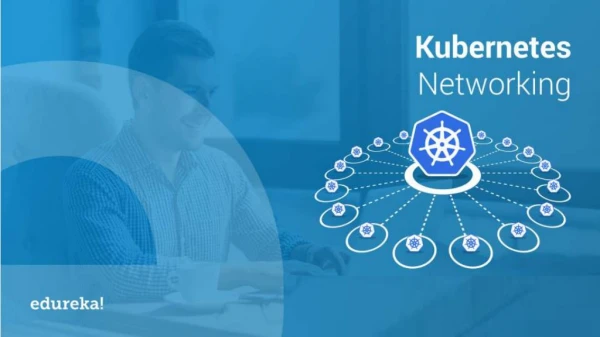
Kubernetes NetworkingExplained Simply Understanding How Containers Communicate in Modern Cloud Environments A BEGINNER-FRIENDLY GUIDE TO MASTERING KUBERNETES CONNECTIVITY
Why Kubernetes Networking Matters Kubernetes networking is the backbone of container communication. Without a well-designed network, applications cannot scale or operate reliably. Enables seamless communication between containers Supports scalable microservices architectures Improves application availability Ensures secure data transfer Simplifies traffic management
Core Networking Principles Kubernetes follows a simple but powerful networking model: Own IP Address Direct Talk Node Accessibility No NAT Every Pod gets its own IP address. No need for complex port mappings. Pods communicate directly. Flat networking removes unnecessary barriers. No NAT within the cluster. Reduces latency and improves performance. Nodes can talk to Pods easily. Ensures smooth cluster operations. 👉 The goal is predictable, efficient communication.
Understanding Pods and Communication Defining the Pod A Pod is the smallest deployable unit in Kubernetes and may contain one or more containers. How Pods Communicate: Pods on the same node communicate via localhost. Pods on different nodes communicate through the cluster network. Important Insight: Pods are temporary. When recreated, their IP changes — which is why Kubernetes uses Services for stability.
What Are Kubernetes Services? Services provide a stable endpoint for accessing Pods. ClusterIP NodePort LoadBalancer ExternalName Internal communication within the cluster. Exposes applications via a node’s IP and port. Distributes traffic across Pods externally. Maps services to external DNS. 👉 SERVICES ENSURE USERS NEVER WORRY ABOUT CHANGING POD IPS.
Ingress: Managing External Access Ingress controls how external users reach applications running inside the cluster. What It Enables: Smart routing based on URL paths SSL termination Load balancing Centralized traffic rules Example: Route /api to backend services and /shop to an eCommerce frontend — all from one IP. 👉 Ingress acts as the cluster’s traffic manager.
Network Policies for Security Security is critical in distributed environments. Best Practice Network Policies help you: Always follow the least privilege principle — allow only necessary traffic. Control which Pods can communicate Prevent unauthorized access 👉 STRONG NETWORKING EQUALS STRONGER SECURITY. Segment sensitive workloads Reduce attack surfaces
Container Network Interface (CNI) CNI is the plugin that makes Kubernetes networking possible. Popular CNI Providers: Calico – Known for security and policy control Flannel – Lightweight and easy to deploy Weave – Great for multi-host networking Why It Matters: The right CNI impacts performance, scalability, and security. 👉 Choosing a CNI is a strategic infrastructure decision.
Common Networking Challenges Typical Challenges Traffic bottlenecks Pro Tip Misconfigured policies DNS resolution failures Monitor network performance continuously and automate policy checks. Latency between services Scaling complexities 👉 PROACTIVE OPTIMIZATION PREVENTS DOWNTIME.
Conclusion Kubernetes networking may seem complex at first, but its design focuses on simplicity, scalability, and secure communication. By understanding Pods, Services, Ingress, and network policies, organizations can build resilient cloud-native applications that perform reliably under growing demand. Designing and managing Kubernetes networks requires deep expertise. Partnering with a Trusted Kubernetes Consulting Partner ensures your infrastructure is optimized for performance, security, and future scalability.