Download

1 / 7
70 likes | 83 Views
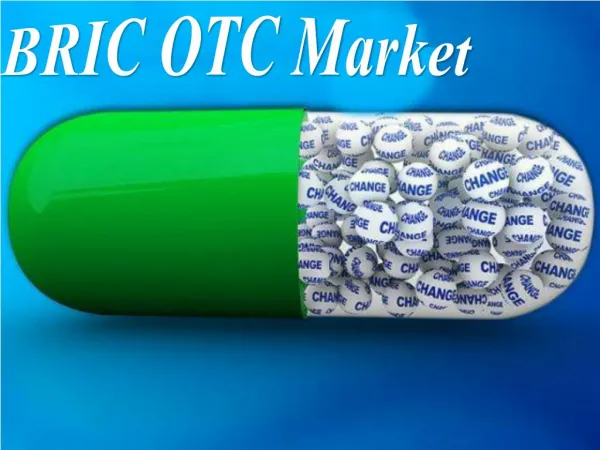
Stocks can be traded over the counter along with stock exchanges. OTC Markets is primarily a decentralised platform that is sans reasonable regulations. Also, the stock and over the counter markets have several distinctions. The former is well regulated. Also, listed companies get traded over a stock exchange, while that is not the case on an OTC. Thus, it is riskier in the sense of security. However, one may lose funds while trading on a stock market without knowledge and the right broker like TradedWell, ROinvesting, etc.

E N D
STOCK MARKET ANDOTC MARKETS: DETAILEDANALYSIS Stocks can be traded over the counter along with stock exchanges. OTC Markets is primarilyadecentralisedplatformthatissansreasonableregulations.Also,thestockand over the counter markets have several distinctions. The former is well regulated. Also, listedcompaniesgettradedoverastockexchange,whilethatisnotthecaseonanOTC. Thus, it is riskier in the sense of security. However, one may lose funds while trading on a stock market without knowledge and the right broker like TradedWell, ROinvesting, etc. What is Over the CounterMarket?
OTC or over the counter market is a decentralised market where traders from different backgrounds can trade commodities, stocks, indices, currencies and other instruments. Here, two traders can exchange assets without the requirement of any exchange or a broker. Moreover, OTC does not have any physical locations. Trading takes place electronically. However, it is not related to the auction marketsystem. DealersarethemarketmakersinOTCmarkets.Theyquotethebuyingandsellingprices to sell and buy a currency pair, security and other financial products. Trade between two rookies can take place, and others may not come to know about the price transaction. That means the OTC markets lack transparency compared to exchanges. In addition, there are no or fewer regulations on them. So, they are even less secure. It is buying and selling of assets between two market participants or individuals on an unlistedplatform. Thus, it requires a premium to force liquidity in OTCmarkets. The necessity of OTCmarkets The primary use of OTC markets is to trade derivatives, bonds, structured products and currencies. Moreover, traders utilise them to trade equities like OTCQB andOTCQX. In the global financial markets, OTC markets have a significant role to play. Moreover, OTCderivativeshaveanexceptionalsignificanceastheyoffergreaterflexibilitytomarket participants. Thus, the risk exposure of derivative contracts gets managedeasily. Moreover, it facilitates companies that cannot trade on exchanges to trade here and gain access to much-required capital. Thus, it gives a thrust of liquidity in the financial markets.
The OTC market is available for companies that either cannot get listed or don’t want to be a part of a coveted exchange. In addition, it is an alternative for minuscule companies because listing on exchanges is time-consuming and an expensive process. Thus, quick access and accumulation of capital are added advantages in the OTCmarkets. Lack ofliquidity There are times when OTC markets do not have enough sellers and buyers, which halt the transactions. Thus, the value of a security may vary decisively depending on various parameters. Also, the market markers affect the trading. Moreover, in the absence of liquidity,thetraderhasadifficulttimeensuringprofits.Furthermore,sellingstocksinthe future may become challenging, and the market participant may have to deal with the dilemma. Risks associated with OTCmarkets OTC markets may seem to be running well during regular times. However, there is a counterparty risk that one of the participants may not comply with the agreement and commit a default during the transaction before the trade’s completion. Hence, there’s no future or current payment as per the contract. Also, it is difficult to derive the fair value of securities due to the complicated design. So, the speculation risk and unexpected events can destabilise the markets and dryfunds. Moreover, the lack of transparency provides loopholes to wilful defaulters for committing a cybercrime. It was seen during the global economic crisis 2007-08 due to burgeoning financial stress. Derivatives like collateralised debt obligation (CDO) and collateralised mortgage obligation (CMO) traded in the OTC markets did not have reliable pricing due to the absenceofbuyers;liquiditydriedup.Thus,otherdealersstartedtowithdrawwhatever
belonged to them in haste, denting the market furthermore. Therefore, it exacerbatedthe liquidity issue manifolds. And the world had to face a credit deficiency. Clearinghouses were deployed for OTC trades’ post-processing. It was among the most effective measures during the credit crunch. OTCnetwork Marketmakers’networksareinstrumentalincarryingouttheOTCtradingofstocksinthe United States. FINRA (Financial Industry Regulation Authority) and OTC Markets Group aretworenownedregulatorybodies.Participatingmarketdealersreceivequotationsfrom these networks. Dealers use a phone call or an online medium to executetraders. Major pros and cons of OTCmarkets • Pros • Penny stocks and unlisted companies have the biggest benefits here as they garner significant capital from the market for growingfurther. • Enormous returns on investment are available to speculativeinvestors. • DuetolessorcasualregulationonOTCmarkets,severalcompaniesgettheentry here that cannot trade throughexchanges. • Accessing securities like derivatives, ADRs, and bonds are easy on OTCmarkets. However, they are not available on standardexchanges. • Cons • OTC stocks are prone to make unforeseen moves that can harm investors’ investments during economic datarelease. • Duetoalackoftransparency,there’sverylittleinformationavailableregarding • companies. Thus, traders are prone to risk. They can be robbed off of their funds. Thus, the possibility of fraudincreases.
The trading liquidity is less here. So, investors may find it challenging to decide when to sell orbuy. • Sometimes, low volumes or lack of buyers can cause losses tosellers. Security buying on the OTCMarket? AtraderneedstoidentifythesecurityofchoicebeforebuyingitontheOTCmarket.Also, it is necessary to acknowledge the amount you need to invest in the market. One needs to accumulate information regarding the security available through sonemarkets. After that, you need to pick a broker that is trusted and trade your OTC security. For example, it can be Global TradeATF, ABinvesting, Brokereo, andInvestLite. Any broker that sells securities listed on exchanges also sells OTC securities. So, once you get a broker and account set up in place, fund it with the amount you can afford and buy your OTCsecurity. The trade can be initiated electronically via a broker’s platform or through a phonecall. What is a stockmarket? A stock market is a platform where shares of publicly listed companies are issued and tradedthroughanexchangeregularly,fivedaysaweek.Itisacollectionofdifferentstock exchanges and markets where traders buy and sell their stocks while companies issue them using an initial public offering (IPO). Meanwhile, such financial activities or functionings are conducted through OTC (Over counter) marketplaces or institutionalised formal exchanges. These work under a set of guidelines andregulations. Acountrycanhaveplentyofvenuesfortradingstockexchanges.Astockexchangehelps in trading other securities along withstocks.
Primary market: It is the market where companies float their shares in the form of IPOs for raisingcapital. Secondary market: It is the market where securities get traded once they are sold inthe primary market. Here one trader or individual buys shares from another one and sells ahead for earning profits. Shares are sold and bought at the market price on the mutual agreement of buyers and sellers. Regulatory authorities regulate these markets for the safety of traders. What arestocks? A stock is a security or instrument representing the fraction of ownership of a publicly listedcompany.Itexhibitstheproportionalclaimofanindividualoracompanyoverassets andprofits. So,sharesarearepresentationofafractionorasliceofownershipbyaninvestoragainst the total number of shares of a company available in the market. So, if a company lets out100000sharesandapersonholds20000outofthat,itmeanshe/shehas20percent ownership over the company. Depending upon the approach of companies, the outstanding shares can run in millions tobillions. Understanding stockmarkets The stock market is an ocean where investors want to invest their money for decent to heavy returns. However, some market participants feel scared while putting their money due to the fear of losing money. But it is prevalent for those who are new to the trading world. There are susceptibilities and vulnerabilities that go away with time. So, it is the experience and strategies that help traders salvage from anyloss. Trading in stocks requires discipline and knowledge about companies that you are investing your money into. You need to know the fundamentals and technicalaspects
before investing. So, it provides space for creating a net worth. Anyone who has enough money, will and the enthusiasm to earn can succeed in themarket. Itrequiresresearchandstudyofthemarketbeforetheinvestment.Ifyoucanprobeabout a stock effectively, check its history and future prospects, and trading becomes easier. So, it is important to learn before you invest. Anyone who initiates trading imitating their successful friends without knowledge is bound to losefunds. So, you can’t succeed in the stock market trading based on a fluke, It requires you to be smart and most importantly vigilant. Stock markets have several companieslisted What do shares or equities signify? The shares or equities signify the ownership of shareholders in a company. It represents the ownership of a shareholder. If it is in a bigger number, shareholders can have the votingrightsinthecompaniespolicyanddecisionmaking.Also,theyreceivetheresidual claim on earnings through dividends andgains. Continue Reading…………………

![STOCK [EQUITY] MARKETS](https://cdn1.slideserve.com/1829202/stock-equity-markets-dt.jpg)